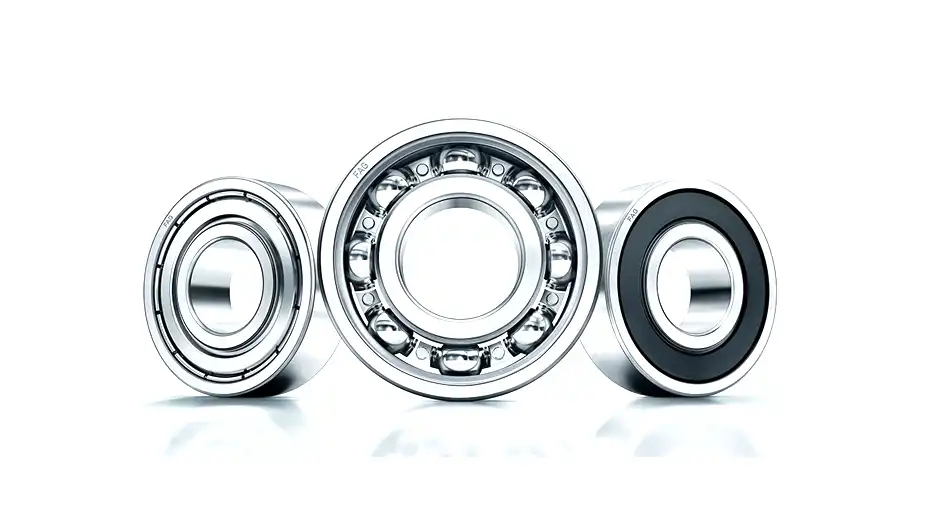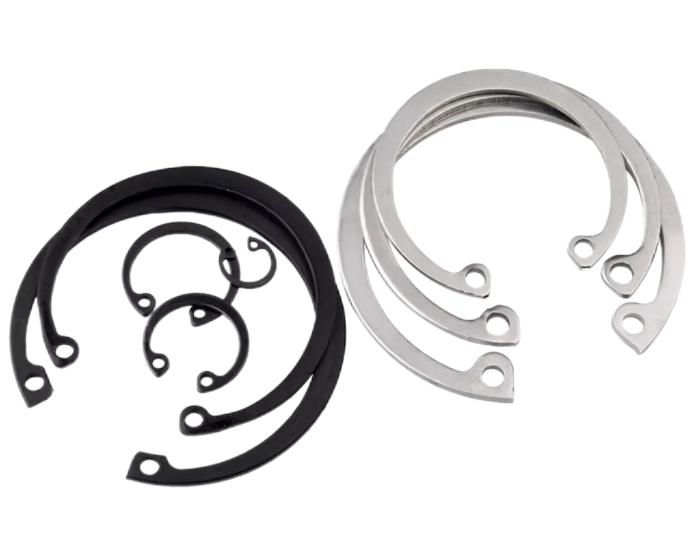
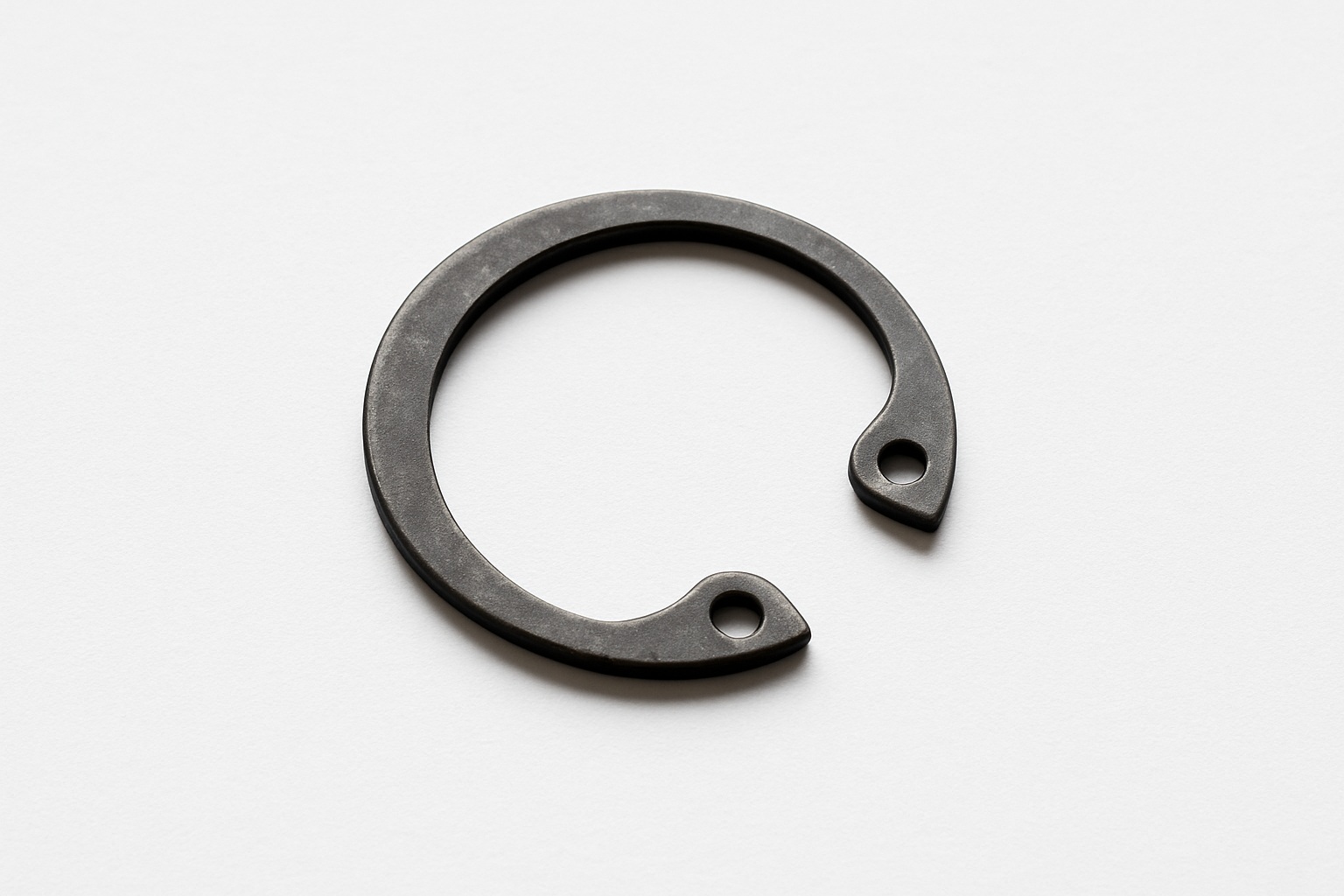
Bearings are designed to deliver precision, speed, and durability — but even the best bearings can fail prematurely when operating conditions aren’t ideal. Understanding the main causes of bearing failure helps extend equipment life, reduce downtime, and improve reliability.
1. Poor Lubrication or Contamination
The leading cause of bearing failure is improper lubrication.
Too little or too much grease can lead to overheating, increased friction, and premature wear.
Contaminants such as dust, moisture, or metal particles mix with lubricant, creating an abrasive paste that damages rolling elements and raceways.
Tip: Always use the correct type and amount of lubricant recommended by the manufacturer, and keep bearings and housings clean during installation and service.
2. Incorrect Mounting or Misalignment
Improper installation — such as using excessive force or misaligning components — can damage bearing races and lead to uneven load distribution.
Misalignment causes edge loading, excessive heat, and noise.
Using makeshift tools or failing to follow mounting guidelines often shortens bearing life drastically.
Use proper fitting tools (e.g., bearing heaters, presses, and pullers) and check alignment using precision instruments.
3. Overloading or Improper Fits
Bearings are designed for specific load limits. Exceeding those limits or using incorrect fits between the bearing and shaft/bore causes excessive stress.
Overloading flattens rolling elements and distorts the raceways
Loose fits allow slippage and wear; tight fits create internal stresses.
Tip: Always match bearing fits to application loads and operating conditions as per ISO or manufacturer recommendations.
4. Fatigue Due to Vibration
Vibration — especially during idle periods — can cause false brinelling (small surface indentations on raceways).
Even low-frequency vibration can gradually destroy the smooth finish required for precision rolling.
Transporting or storing machinery without securing rotating components can trigger early fatigue.
Tip: Isolate machinery from vibration and rotate shafts periodically during storage.
5. Inadequate Sealing or Ingress of Debriss
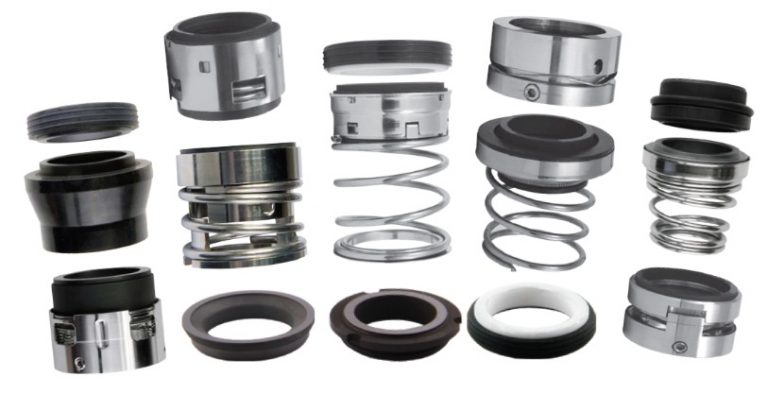
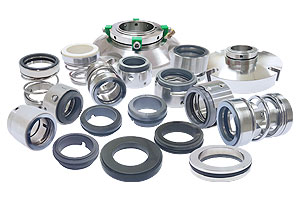
A bearing’s sealing system is its first line of defense against contaminants.
Damaged or poorly fitted seals allow water, dust, or chemicals to enter.
Once debris mixes with lubricant, it accelerates wear and corrosion.
Final Tip
Preventing these issues starts with correct selection, careful installation, and consistent maintenance. A small effort in bearing care can save significant time and cost in repairs.